
Search “class 10 science NCERT solutions” and you’ll get pages of results before you even see anything from NCERT or CBSE themselves — ad-heavy sites, half-finished chapter solutions, and answers that occasionally don’t match what your teacher marked correct. The official sources are free, complete, and genuinely reliable. They’re just buried under everything trying to look like them.
We’ve covered evaluating free video resources in How to Choose the Right YouTube Channels for CBSE Subject Learning. This post does the same for written solutions and sample papers — starting with the official, government-run sources worth bookmarking, then how to judge any third-party site you come across on your own.
Start With the Source, Not the Solutions
Before searching for “solutions” anywhere, it’s worth downloading the actual textbook from NCERT’s official website. Every NCERT textbook from Class 1 to 12, across all subjects, is available there as a free PDF — no login, no payment, no registration. It sounds obvious, but a surprising number of students are working from photocopies or third-party reprints that occasionally differ from the current edition.
Having the actual textbook open next to any solution you find online is the single easiest way to catch a wrong or outdated answer before it costs you marks.
Where to Get Official CBSE Sample Papers
CBSE releases official Sample Question Papers (SQPs) and their marking schemes directly on CBSE Academic, typically between August and October for the current academic year. These are the single most reliable preview of how your actual exam paper will be structured — the format, question types, and mark distribution come straight from the board itself, not a third party’s guess at it.
Because SQPs come with official marking schemes, they’re also one of the best ways to self-check practice answers — you’re comparing against exactly what an examiner would look for, not a random contributor’s opinion of what deserves full marks.
DIKSHA: The Government’s Free Digital Learning Platform
Less well known than it should be, DIKSHA is a national digital learning platform built by NCERT under the Ministry of Education. It hosts QR-coded “Energised Textbooks” that link straight from your physical NCERT book to official videos, interactives, and explanations for that exact chapter — genuinely useful, and entirely free.
It’s a solid middle ground between a plain textbook PDF and a random YouTube search: the content is curated by the same body that wrote your syllabus.
Why “NCERT Solutions” Sites Need Extra Caution
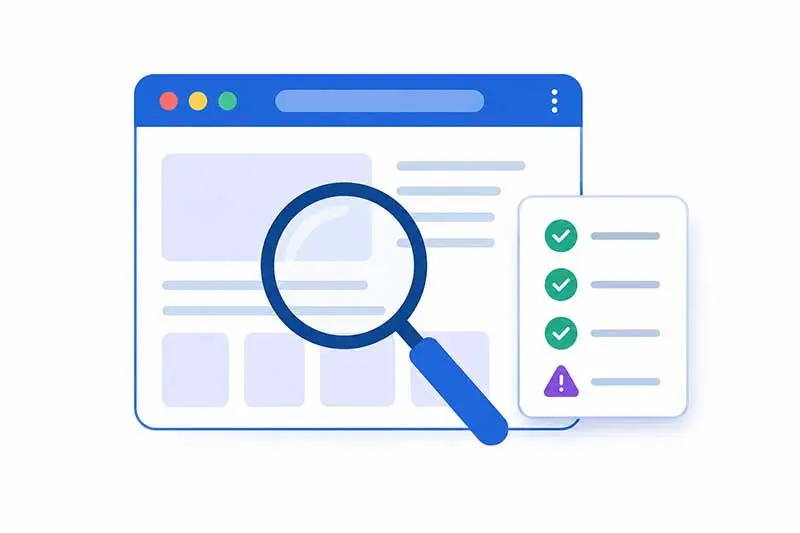
None of this means every third-party solutions site is unreliable — many are run carefully and genuinely help. But this specific corner of the internet has a few recurring problems worth watching for:
- Solutions copied and re-copied across multiple sites, carrying forward the same errors each time
- Heavy ad clutter and pop-ups that make a page more frustrating to use than the ten minutes it’d take to work the problem out yourself
- Content that quietly hasn’t been updated for syllabus or edition changes, even though the page still ranks near the top of search results
- A design that encourages copying an answer directly, rather than checking your own attempt against it
None of this means avoid these sites entirely — it means treat them as a check on your own work, not a first stop, and stay a little skeptical of anything that doesn’t match your textbook or teacher’s explanation.
How to Use Solutions Without Just Copying Them
The most useful way to use any solutions resource is backwards from how most students use it: attempt the question fully first, then compare. If you’re already using a Cornell-style note-taking approach, solutions are a natural fit for the “testing yourself” step — cover your notes, attempt the problem, then check your answer against an official or well-verified solution rather than reading the solution as your first exposure to the question.
Copying a correct-looking answer without working through it yourself creates a false sense of readiness that tends to show up at the worst possible time — during the actual exam.
A Simple Checklist for Evaluating Any “Free Resource” Site
Before trusting a site you found through a search rather than an official source, run it through a few quick checks:
- Does it clearly state which edition/syllabus year the content matches?
- Do the answers match your NCERT textbook and what your teacher has taught?
- Is the page usable without excessive ads, pop-ups, or forced sign-ups just to view an answer?
- Does it show working/steps, not just a final answer with no explanation?
Building Your Own Subject-Wise Resource List

Once you’ve found sites that consistently check out, keep track of them the same way you would for study apps or any other resource — a running, subject-wise list beats re-searching from scratch every time a new chapter comes up. Pair this with a study planner so “check solutions after attempting practice questions” becomes a scheduled part of your routine, not an afterthought.
Printable PDF Resources
1. Download: Free Resource Evaluation Checklist
Purpose
A one-page checklist to quickly judge whether a solutions or sample-paper website is trustworthy enough to rely on.
Sections Included
- Syllabus/edition match check
- Accuracy cross-check against textbook
- Usability and ad-clutter check
- Red-flag checklist
2. Download: Subject-Wise Official Resource Directory
Purpose
A printable reference listing the official NCERT, CBSE, and DIKSHA links, plus space to log your own verified subject-wise sites as you find them.
Sections Included
- Official resource quick-links
- Subject-wise blank rows to fill in your own vetted sites
- Notes column for what each resource is best used for
Quick Reference: Finding Reliable Study Resources at a Glance
| Step | What to Do |
| Start official | Download the actual NCERT textbook before searching for solutions anywhere else |
| Get real sample papers | Use cbseacademic.nic.in for genuine SQPs and marking schemes |
| Explore DIKSHA | Free, NCERT-curated videos and interactives linked to your exact textbook |
| Vet third-party sites | Cross-check answers against your textbook before trusting a new site |
| Attempt before checking | Work the question yourself first, then use solutions to verify — not to copy |
Related reading: NCERT Study Material: Everything You Need for Exam Success
Frequently Asked Questions
Are third-party “NCERT solutions” websites ever worth using?
Yes, many are genuinely helpful, especially for a second explanation of a tricky problem. Use the checklist above to spot-check any new site before relying on it regularly, rather than avoiding them altogether.
When exactly do CBSE sample papers get released each year?
Based on recent years’ patterns, official SQPs are typically released on cbseacademic.nic.in between August and October for that academic year. Always check the site directly rather than relying on a third party’s copy, since dates shift slightly year to year.
Is DIKSHA the same as NCERT’s main website?
No — ncert.nic.in hosts the textbooks themselves, while DIKSHA is a separate but also NCERT/Ministry of Education-run platform focused on videos, QR-linked content, and interactive material tied to those textbooks.
How can I tell if a solutions site is using an outdated edition?
Compare chapter names, numbering, and a few specific questions directly against your current NCERT textbook. If several don’t match, the content is likely from an older edition and should be treated with more caution.
Should younger students (Class 6-8) use solutions websites the same way?
The same caution applies, though younger students often benefit from a parent or teacher helping with the initial “attempt first” habit until it becomes automatic.
Final Takeaway
The most reliable NCERT solutions and sample papers aren’t hidden — they’re sitting on ncert.nic.in and cbseacademic.nic.in, free and official, just outranked in search results by sites optimised to look similar. Bookmark the official sources first, treat any other site as something to verify rather than trust blindly, and always attempt a question yourself before checking the answer. That habit alone does more for your marks than any single website ever will.
If you’d like help organising which subjects need extra resource support and building that into your routine, the Student Success Assistant can help you put one together in a few minutes.

Learning Support Team shares guidance on safe online learning, educational technology, and effective digital study practices.